
Search
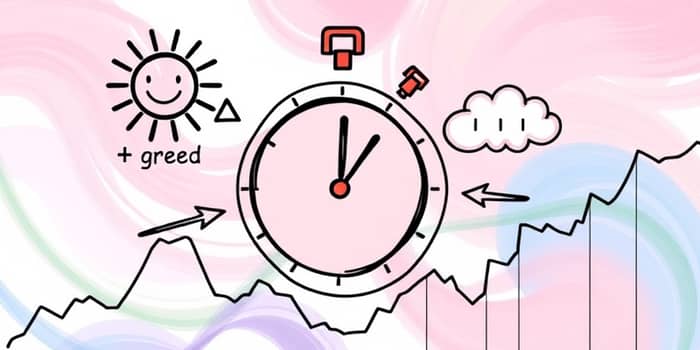
Market movements are not random; they follow predictable patterns called cycles that repeat over time.
Investor sentiment, the collective mood of the market, plays a crucial role in amplifying these cycles, driving prices up or down.
By understanding both, you can turn market volatility into opportunity and achieve better investment outcomes.
This article delves into the intricate dance between cycles and sentiments, providing actionable insights for investors of all levels.
It explores how emotions like fear and greed fuel market trends, and how modern tools can help you stay ahead.
Market cycles typically recur in four primary phases, each characterized by distinct price movements and psychological shifts.
Recognizing these phases is essential for timing your entry and exit points effectively.
Here is a table summarizing the key aspects of each phase.
These phases apply across various assets, from stocks to real estate, influenced by economic factors.
Bull markets can last for years, fueled by positive sentiment, while bear markets may persist for months or more.
Investor sentiment shifts cyclically, driven by emotions like greed during peaks and fear during troughs.
This psychology creates self-reinforcing booms and busts that define market volatility.
To measure sentiment, investors rely on several tools and indicators.
Social listening tools analyze platforms like X and Reddit for mentions and tone, offering real-time insights.
By monitoring these, you can anticipate market shifts before they happen and adjust your strategies accordingly.
Artificial Intelligence enhances sentiment tracking through techniques like Natural Language Processing (NLP).
AI models score sentiment from negative to positive, providing real-time, data-driven insights for better decision-making.
Data sources include financial news, earnings transcripts, and social media posts.
Different AI approaches vary in accuracy and application.
Financial-specific models are context-aware, tracking sentiments across cycles and integrating multiple sources.
The process involves data collection, preprocessing, feature extraction, model training, and classification.
Applications range from predicting asset trends to adjusting portfolios dynamically.
Future advancements aim for real-time streams and integration with broader economic data.
Historical examples vividly illustrate the impact of cycles and sentiments on markets.
The S&P 500 shows repeated patterns of growth and decline phases over decades.
Real estate markets experience cycles driven by supply and demand shifts, with phases like recovery and recession.
These cases highlight that history often rhymes in financial markets, offering lessons for today's investors.
By studying past trends, you can identify common triggers and avoid repeating mistakes.
Navigating market cycles requires a blend of awareness, tools, and disciplined actions.
Here are key strategies to help you thrive in varying market conditions.
However, be aware of limitations such as the unpredictability of cycles and the subjective nature of sentiment.
AI models require context and tuning to avoid biases or inaccuracies.
By staying informed and adaptable, you can transform market challenges into sustainable gains.
Mastering market cycles and investor sentiment is not about predicting the future with certainty.
It's about developing a nuanced understanding of the forces at play and using that knowledge to make informed decisions.
Embrace the rhythm of cycles, harness the power of modern analysis, and let psychology guide rather than hinder your investments.
With these insights, you're equipped to navigate the complexities of asset trends with confidence and clarity.
References